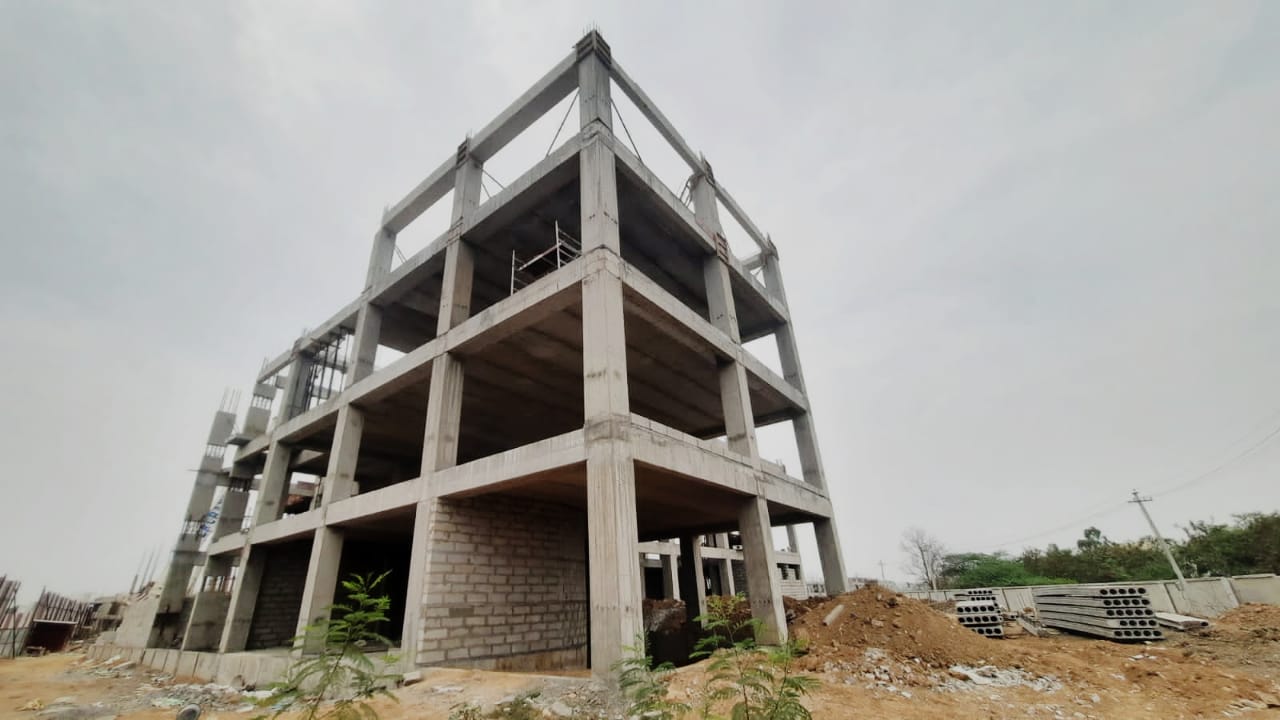
Construction today is evolving faster than ever. With stricter timelines, rising labour costs, and increasing demand for durable structures, builders are looking for smarter, faster, and safer building methods.
One technology leading this revolution is Precast Concrete.
If you are a builder, contractor, architect, developer, or even a homeowner planning your dream house, understanding precast technology can save you time, money, and a lot of construction stress.
This blog breaks down precast concrete in the simplest way possible—including how it is made, why it is used, what makes it different from traditional methods, and whether it is right for your project.
1. What Is Precast Concrete?
Precast concrete is a construction technique where structural elements are manufactured in a controlled factory environment, cured properly, and then transported to the project site for installation.
These elements can include:
- Walls
- Slabs
- Beams
- Columns
- Staircases
- Boundary walls
- Manholes
- Retaining walls
- Drainage units
Instead of constructing everything on-site (which is slow and weather-dependent), precast shifts the process to a production facility—similar to how cars are built in factories.
Think of it like this:
Traditional construction = cooking every single item fresh in your kitchen
Precast = ordering from a high-quality cloud kitchen where everything is prepared in controlled conditions
The result is faster, stronger, cleaner, and more predictable construction.
2. How Is Precast Concrete Made? – Step-by-Step
Step 1: Design & Engineering
Engineers create detailed shop drawings using BIM (Building Information Modeling) to ensure every element fits perfectly like a puzzle.
Step 2: Preparing the Moulds
Moulds are made from steel, aluminium, or high-strength materials depending on the design.
These ensure exact dimensions every time.
Step 3: Mixing & Pouring
High-quality concrete is mixed using:
- the right water-cement ratio
- admixtures for strength
- controlled temperature
It is then poured into moulds.
Step 4: Vibration & Compaction
Machines vibrate the mould to eliminate air bubbles and improve density.
Step 5: Curing
Precast units are cured in controlled conditions—often with steam curing—which gives them higher early strength.
Step 6: Demoulding
Once the elements reach desired strength, they are removed from moulds.
Step 7: Transport
Finished units are loaded onto trucks.
Step 8: Installation
Cranes lift and position the elements at the site.
Connections are created using:
- grout
- welding
- bolting
- post-tensioning
This is why precast installation is extremely fast and clean.
3. Why Is Precast Concrete So Popular Today?
✔ Speed
Precast reduces construction time by 30–50% because:
- Factory production happens in parallel with site work
- No waiting for curing on site
- Installation is quick
For builders with tight deadlines, this is a game changer.
✔ Durability
Precast elements are:
- denser
- stronger
- highly resistant to cracking
- less affected by weather
They also last 75–100 years with very low maintenance.
✔ Cost-Effective
You save money through:
- reduced labour
- fewer delays
- less material wastage
- quicker project completion (faster ROI)
✔ Weather-Proof Construction
Rain, heat, or cold—precast production never stops because it happens indoors.
✔ High Quality & Safety
Factory production ensures:
- uniform quality
- accurate dimensions
- safer working conditions
- minimized accidents at site
✔ Eco-Friendly
Precast reduces:
- waste
- dust
- noise
- carbon footprint
It supports green building certifications like IGBC and LEED.
4. Precast vs Cast-In-Situ (Traditional Construction)
| Feature | Precast | Cast-In-Situ |
| Speed | Very fast | Slow |
| Quality | High & consistent | Variable |
| Weather Dependence | No | Yes |
| Labour Requirement | Low | High |
| Waste | Minimal | High |
| Initial Cost | Slightly higher | Lower |
| Long-Term Savings | Significantly higher | Moderate |
Precast is not always cheaper initially, but the overall savings are huge due to faster completion and lower maintenance.
5. Types of Precast Concrete Elements
Structural Elements
- Beams
- Columns
- Wall panels
- Floors (hollow core slabs, solid slabs)
Architectural Elements
- Façade panels
- Decorative walls
- Cladding
Infrastructure Elements
- Manholes
- Box culverts
- Boundary walls
- Retaining walls
Residential Components
- Staircases
- Compound walls
- Lintels
- Balconies
Whether it’s a villa, apartment complex, commercial building, or infrastructure project—precast has an application everywhere.
6. Is Precast Suitable for Home Construction?
Yes—even for luxury villas, precast is becoming a preferred choice.
Benefits for homeowners:
- Faster construction (3–6 months)
- Cleaner site
- Stronger walls & slabs
- Better finish
- Lower long-term maintenance
- Excellent temperature and sound insulation
Many modern villa projects in India already use precast.
7. Limitations of Precast Technology
Transparency is important, so here are the challenges:
Requires Efficient Transportation
Large precast units need careful planning for transport.
Requires Skilled Assembly
Installation must be done by trained teams.
Design Must Be Finalized Early
Precast is not ideal for last-minute design changes.
Not Ideal for Very Small Projects
Unless it is standardized (like boundary walls).
8. Who Should Use Precast Technology?
Precast is ideal for:
- Builders with deadlines
- Developers constructing multiple houses
- Commercial building projects
- Infrastructure contractors
- Government projects
- Homeowners who want fast and premium quality construction
- Industrial building manufacturers
If efficiency, safety, and quality matter to you, precast is the right choice.
9. Final Thoughts: Is Precast the Future of Construction?
Absolutely. Precast is:
- Modern
- Fast
- Durable
- Eco-friendly
- Cost-efficient
With India’s rapid growth, labour shortages, and demand for high-quality structures, precast is not just a trend—it is the future of smart construction.